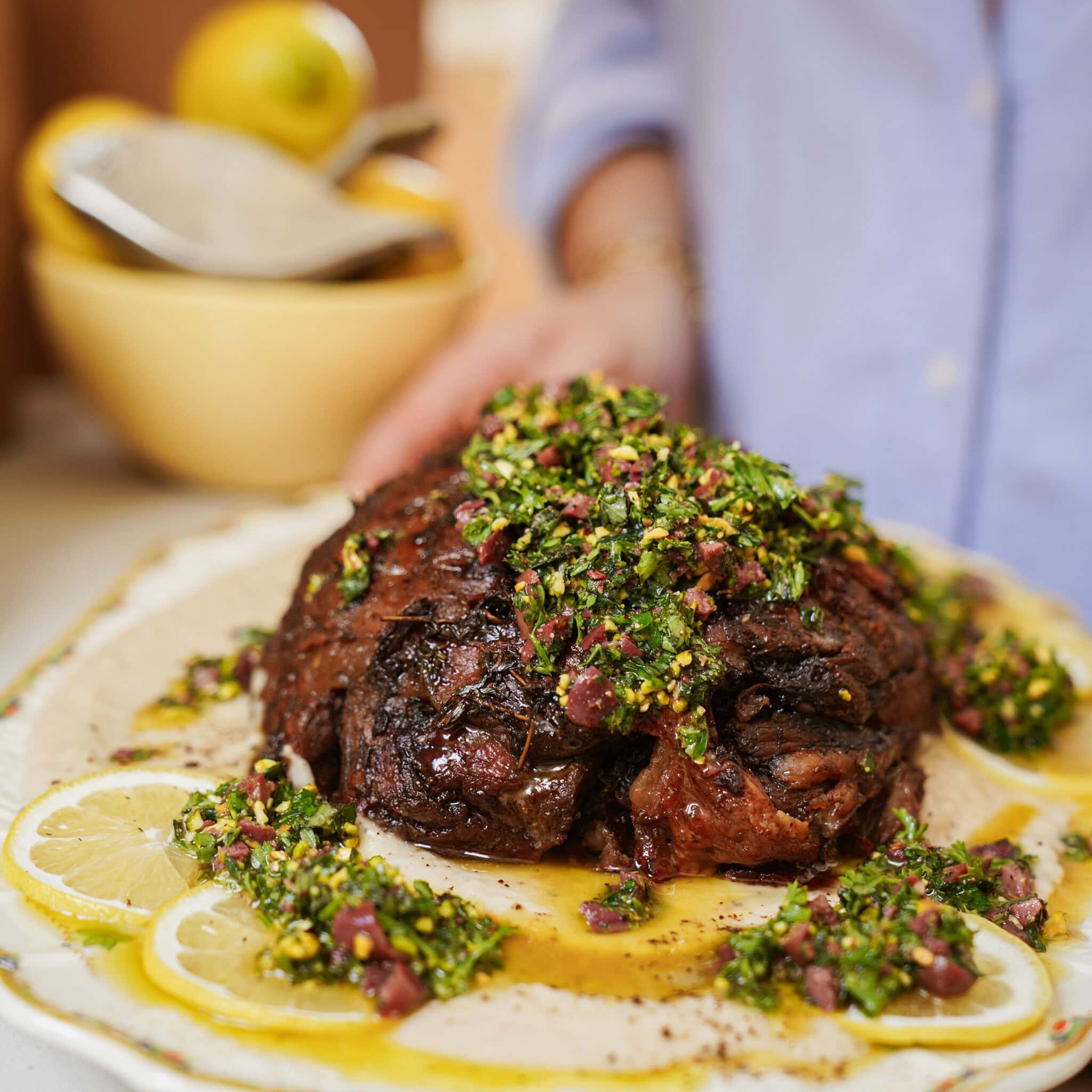
Why Braising Makes Lamb Shoulder Unforgettably Flavorful
There are few culinary experiences as satisfying as a perfectly cooked lamb shoulder. When prepared correctly, this often-overlooked cut transforms into a dish of profound richness and melt-in-your-mouth tenderness. The secret? Braising. This age-old technique, combining initial searing with prolonged, gentle cooking in liquid, is the ultimate method for unlocking the unparalleled flavor potential of lamb shoulder, making it truly unforgettable.
Lamb shoulder is an economical and robust cut, known for its deep, characteristic lamb flavor. While its natural toughness and abundance of connective tissue might deter some, these very qualities make it ideal for braising. Through the magic of low and slow heat, these components break down, creating a succulent texture and a rich, aromatic sauce that will have everyone reaching for seconds. It's a method that promises not just a meal, but a sensory journey, filling your kitchen with enticing aromas and culminating in a deeply satisfying dining experience.
The Science Behind the Succulence: Why Braising Transforms Lamb Shoulder
The culinary marvel of braising lamb shoulder isn't just a happy accident; it's a testament to clever kitchen chemistry. At its heart, braising is a two-part process: a high-heat sear followed by a long, slow cook in a flavorful liquid. Each stage plays a critical role in developing the unforgettable taste and texture that makes Hands-Off Braised Lamb: Tender, Fall-Off-The-Bone Perfection.
The Maillard Reaction: Building the Flavor Foundation
The initial searing of the lamb shoulder in hot olive oil is more than just browning; it's the activation of the Maillard reaction. This complex chemical process, occurring between amino acids and reducing sugars, creates hundreds of new flavor compounds, responsible for the savory, crusty, and deeply aromatic notes on the surface of the meat. Without this crucial step, much of the foundational flavor would be lost. The rich drippings left behind in the pan after searing become the bedrock for your braising liquid, carrying all those delicious caramelized notes.
Collagen to Gelatin: The Secret to Fall-Apart Tenderness
Lamb shoulder, like many tougher cuts, is rich in connective tissue, primarily collagen. While raw, collagen makes meat chewy and tough. However, when subjected to the prolonged, moist heat of braising (typically 300°F/150°C for several hours), this collagen undergoes a magnificent transformation. It slowly breaks down and melts into gelatin, which then disperses throughout the meat. This is why braised lamb shoulder becomes so incredibly tender, practically shredding itself with the slightest touch, and literally falling off the bone if you've chosen a bone-in cut. The gelatin also contributes to the luxurious, mouth-coating richness of the finished sauce, giving it body and a silky texture that store-bought thickeners can only attempt to replicate.
A Symphony of Flavors: Marrying Ingredients Over Time
Beyond texture, braising allows ample time for all the added ingredients—aromatics, herbs, wine, broth—to meld and deepen their flavors. As the lamb shoulder slowly cooks, the liquid infuses the meat with its rich essence, while the lamb itself releases its savory juices into the sauce. This exchange of flavors creates a complex, harmonious profile that evolves and intensifies over hours, resulting in a dish far greater than the sum of its parts. The natural fat content of the lamb shoulder also renders slowly during this process, basting the meat and adding another layer of succulence and richness to both the lamb and the accompanying sauce.
Crafting the Perfect Braised Lamb Shoulder: Essential Ingredients and Steps
While the concept of braising is simple, the magic lies in selecting the right ingredients and following a few key steps to ensure an unforgettable result. Here’s a detailed look at what you’ll need and how to achieve that perfect braised lamb shoulder.
Ingredient Deep Dive: Building Your Flavor Profile
- Lamb Shoulder: This is the star. You can use bone-in chops or a boneless roast. The bone adds extra flavor to the braising liquid, but boneless is easier to carve. Opt for a cut with good marbling; the fat and connective tissue are your friends here, rendering down to ensure moisture and flavor.
- Olive Oil: Essential for searing the lamb and sautéing your aromatics. A good quality extra-virgin olive oil contributes to the initial flavor base.
- Aromatics: The foundation of any great braise.
- Yellow Onion: Sliced or chopped, it provides sweetness and depth.
- Garlic: Minced, it adds pungent, aromatic notes. Don't be shy!
- Fresh Rosemary: Its piney, earthy aroma is a classic pairing with lamb. Fresh herbs make a significant difference over dried. Consider adding fresh oregano, thyme, or bay leaves for extra complexity.
- Optional: Carrots and Celery: These, along with onion, form a traditional French mirepoix, adding sweetness and savory depth to the braising liquid.
- Liquids: These are crucial for the slow-cooking process and for building the sauce.
- Beef Broth: Provides a savory base. You can also use lamb or chicken broth for a slightly different flavor.
- Red Wine: A game-changer for depth and acidity. It helps deglaze the pan, capturing all the flavorful fond (browned bits) from searing the lamb. While red wine creates a richer, deeper sauce, a dry white wine can offer a brighter, more aromatic finish if preferred.
- Water: Used to adjust the liquid volume and for creating a cornstarch slurry.
- Seasonings & Thickener:
- Salt and Ground Black Pepper: Generously season the lamb before searing to enhance its natural flavor.
- Worcestershire Sauce: A secret weapon for umami and a slight tangy kick in the finished sauce.
- Cornstarch: Used with water to create a slurry that thickens the braising liquid into a luscious sauce at the end.
The Braising Method: A Step-by-Step Approach to Perfection
- Preheat & Prep: Preheat your oven to a consistent 300°F (150°C). Pat your lamb shoulder dry and season generously with salt and pepper. This helps create a better sear.
- Sear the Lamb: Heat olive oil in a heavy-bottomed skillet over medium-high heat. Sear the lamb shoulder on all sides until deeply golden brown, about 1-2 minutes per side. This step is non-negotiable for flavor. Remove the lamb to a plate, leaving the flavorful drippings in the skillet.
- Sauté Aromatics: Reduce heat to medium. Add sliced onion (and any other vegetables like carrots or celery) to the reserved drippings and sauté until softened, about 5 minutes. Stir in the minced garlic and fresh rosemary, cooking for another minute until fragrant.
- Assemble & Combine: Transfer the seared lamb chops or roast to a sturdy baking dish or Dutch oven. Scatter the sautéed onion mixture and fresh rosemary over the lamb. Pour in the beef broth and red wine. Ensure the liquid comes about halfway up the sides of the lamb; if not, add a splash more broth or water.
- Slow Cook: Cover the baking dish tightly with aluminum foil or a lid. Bake in the preheated oven for a minimum of 3 hours, or until the lamb is fall-apart tender. The exact time can vary depending on the cut and thickness, but aim for effortless shredding.
- Rest & Reduce: Carefully remove the lamb from the baking dish to a serving platter and tent with foil to keep warm.
- Create the Sauce: Pour the braising liquid from the baking dish into a saucepan. In a small bowl, whisk together water and cornstarch until smooth. Stir this slurry into the liquid in the saucepan. Add Worcestershire sauce. Cook over medium heat, stirring constantly, until the sauce thickens to your desired consistency, typically about 5 minutes. Taste and adjust seasonings.
- Serve: Spoon the rich, thickened sauce generously over the braised lamb shoulder. Garnish with fresh herbs if desired.
And if you're looking for an impressive yet budget-friendly meal, our guide on Affordable Braised Lamb: Impress Your Guests with Ease offers fantastic insights into making this delicious dish accessible for any occasion.
Maximizing Flavor and Experience: Tips for Your Braised Lamb Shoulder
To truly elevate your braised lamb shoulder from delicious to legendary, consider these additional insights and tips:
- Bone-In vs. Boneless: While boneless lamb shoulder is convenient, bone-in cuts (like shoulder chops) contribute significantly more collagen and marrow flavor to your braising liquid. If you have the time and preference, bone-in is often worth the extra effort.
- Generous Seasoning: Don't be afraid to heavily season the lamb with salt and pepper before searing. Much of this seasoning will be washed away into the braising liquid, and it's essential for penetrating the meat itself.
- Deglazing for Depth: After sautéing your aromatics, if there are still browned bits stuck to the bottom of your skillet, pour a splash of wine or broth into the hot pan and scrape vigorously with a wooden spoon. This "deglazing" incorporates all those intensely flavorful fond into your braising liquid.
- Herbs and Spices: While rosemary is classic, experiment with other herbs like thyme, bay leaves, or even a touch of dried oregano or marjoram for a Greek-inspired twist. A pinch of cinnamon or allspice can also add an unexpected warmth and depth.
- Citrus Zest: For a brighter finish that cuts through the richness, consider adding a strip of orange or lemon zest to the braising liquid for the last hour of cooking.
- The Power of Patience: Resist the urge to rush the cooking time. The magic of braising happens over hours. The longer the low, slow cook, the more tender and flavorful your lamb will become.
- Resting is Key: Just like with a roast, allowing the braised lamb to rest for 10-15 minutes after removing it from the oven allows the juices to redistribute, resulting in a more succulent and moist final product.
- Make Ahead Advantage: Braised lamb shoulder is one of those dishes that often tastes even better the next day. The flavors continue to meld and deepen overnight. Plus, it's easier to skim off any excess fat from the chilled sauce, leading to a cleaner, richer flavor. This makes it perfect for dinner parties or meal prep.
- Serving Suggestions: Braised lamb shoulder pairs beautifully with creamy mashed potatoes, polenta, couscous, or a hearty crust of artisan bread for soaking up every last drop of that incredible sauce. Roasted root vegetables or a simple green salad provide a refreshing counterpoint.
Conclusion
Braising lamb shoulder is more than just a cooking method; it's an art form that transforms a humble, affordable cut into a culinary masterpiece. By understanding the science behind the searing and the slow, moist heat, and by embracing the rich array of aromatics and liquids, you can achieve a dish that is not only fall-apart tender but also bursting with deep, unforgettable flavors. This hands-off approach to cooking yields incredible rewards, proving that some of the most impressive meals are also the most forgiving. So, gather your ingredients, set your oven, and prepare to embark on a flavorful journey that will undoubtedly make braised lamb shoulder a cherished staple in your kitchen.
