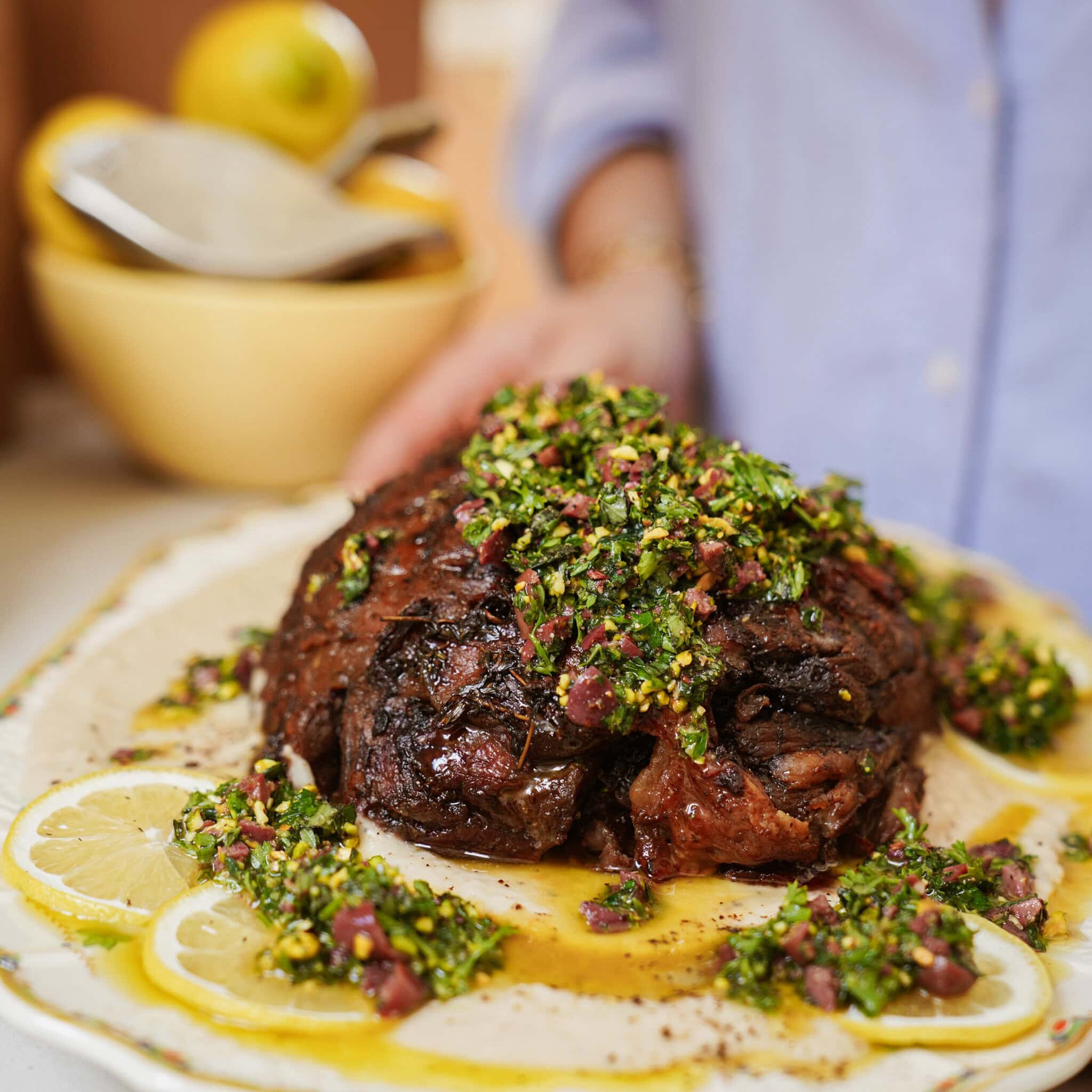
Hands-Off Braised Lamb: Tender, Fall-Off-The-Bone Perfection
Imagine a dish so effortlessly elegant, so deeply flavorful, that it transforms an ordinary meal into a special occasion. We’re talking about
braised lamb shoulder, a culinary marvel that promises succulent, fall-off-the-bone tender meat enveloped in a rich, aromatic sauce. While it tastes like something a Michelin-star chef would create, the beauty of braised lamb shoulder lies in its simplicity and its largely hands-off cooking process. Once prepped, your oven does most of the heavy lifting, allowing you to relax while the magic unfolds. This article will guide you through mastering this impressive yet forgiving dish, ensuring you achieve perfection every time.
The Magic of Braising: Why Lamb Shoulder Shines
Braising is a time-honored cooking technique that involves searing meat at a high temperature, then slow-cooking it in a covered pot with liquid at a lower temperature. This method is particularly well-suited for tougher cuts of meat, like lamb shoulder, which are often more economical but packed with incredible flavor potential. The magic of braising transforms these cuts into something truly extraordinary.
Lamb shoulder, whether in chop form or as a boneless roast, is rich in connective tissue and intramuscular fat. While these characteristics might make it less suitable for quick cooking methods, they are precisely what make it ideal for braising. During the long, slow cooking process, the tough collagen in the connective tissue gradually breaks down and converts into silky gelatin. This gelatin infuses the braising liquid, creating a luxurious, mouth-coating sauce, and most importantly, it makes the lamb incredibly tender, allowing it to practically melt in your mouth and fall right off the bone.
Beyond its incredible texture, slow braising also allows the deep, characteristic flavor of lamb to develop and concentrate, marrying beautifully with the aromatics and liquids in the pot. It’s a forgiving method, too; a few extra minutes (or even an hour) in the oven won't ruin your dish, making it perfect for stress-free entertaining or busy weekends. The "hands-off" nature means that after an initial burst of activity, you can step away and let time work its culinary wonders.
Crafting Your Perfect Braised Lamb Shoulder: Essential Ingredients and Steps
While the concept of braising is simple, the symphony of flavors comes from carefully selected ingredients and a methodical approach. Here's a deeper dive into what you'll need and how to achieve that tender, fall-off-the-bone perfection.
Key Ingredients for a Flavorful Foundation:
- Lamb Shoulder: The star of our show. You can opt for lamb shoulder chops for individual servings or a boneless lamb shoulder roast for easier carving. Both are excellent choices, offering the necessary fat and connective tissue for optimal tenderness. Look for cuts with good marbling.
- Olive Oil: Essential for searing the lamb and providing a flavorful base for sautéing aromatics. A good quality extra-virgin olive oil adds a subtle fruity note.
- Aromatics: A classic trio of yellow onion, garlic, and fresh rosemary forms the aromatic backbone of this dish. The onion provides sweetness and depth, garlic adds pungent warmth, and rosemary offers its distinctive piney, peppery notes that pair exceptionally well with lamb. Feel free to add other aromatics like carrots or celery for an even deeper mirepoix base, common in many braises.
- Liquids: A combination of beef broth and red wine creates a rich, complex braising liquid. Beef broth provides savory umami, while red wine adds acidity, tannin, and a wonderful depth of flavor that complements the lamb. If you prefer a lighter, brighter sauce, white wine can also be used. A splash of water helps adjust the liquid volume.
- Thickener & Flavor Enhancer: A simple slurry of cornstarch and water is used at the end to thicken the sauce to a perfect gravy consistency. Worcestershire sauce adds an extra layer of umami and a subtle tang, enhancing the overall savory profile.
- Seasoning: Don't forget ample salt and freshly ground black pepper to season the lamb generously before searing.
Step-by-Step Towards Perfection:
- Preheat and Prep: Begin by preheating your oven to a moderate 300°F (150°C). This low and slow temperature is crucial for tenderizing the lamb without drying it out. Pat your lamb shoulder chops or roast dry and season generously with salt and pepper. This initial seasoning is key to developing flavor throughout the meat.
- Searing for Depth: Heat olive oil in a heavy-bottomed skillet over medium-high heat. Sear the lamb until deeply browned on all sides, usually 1-2 minutes per side. This step, known as the Maillard reaction, is non-negotiable! It creates an incredible depth of flavor and a beautiful crust that no amount of slow cooking can replicate. Remove the seared lamb to a plate, reserving those precious drippings in the skillet.
- Building the Flavor Base: Reduce the heat to medium. In the same skillet, sauté the sliced onion and minced garlic in the reserved drippings until the onion softens and becomes translucent, typically about 5 minutes. This step extracts the sweet and savory compounds from the aromatics, creating the foundation of your braising liquid.
- Assemble and Braise: Transfer the seared lamb chops to a deep baking dish. Top with the sautéed onion and garlic mixture, then sprinkle generously with fresh rosemary. Pour the beef broth and red wine into the baking dish, ensuring the liquid comes about halfway up the lamb. Cover the dish tightly with aluminum foil. This creates a moist, steamy environment crucial for tenderizing the meat.
- The Long Awaited Bake: Bake in the preheated oven for a glorious 3 hours. This is your hands-off time! Let the oven work its magic, transforming the tough cuts into incredibly tender, flavorful lamb. You'll know it's ready when the meat practically falls apart with a gentle nudge.
- Finishing the Luxurious Sauce: Carefully remove the lamb to a serving platter. Pour the braising liquid from the baking dish into a saucepan. In a separate bowl, whisk together water and cornstarch until completely smooth – this is your slurry. Stir the slurry into the liquid in the saucepan, add the Worcestershire sauce, and cook over medium heat, stirring constantly, until the sauce thickens to your desired consistency, typically about 5 minutes. Taste and adjust seasoning if needed.
- Serve with Panache: Spoon the luscious sauce generously over the tender braised lamb shoulder and serve immediately. This dish is perfect for feeding a crowd with ease and impressing even the most discerning palates.
Beyond the Basics: Tips for Braising Success and Variations
Achieving perfect braised lamb shoulder is not just about following a recipe; it's about understanding the nuances and personalizing it to your taste.
Make-Ahead Magic:
One of the greatest benefits of braised lamb shoulder is its make-ahead potential. The flavors often deepen and meld even further overnight. Cook the lamb the day before, let it cool, then refrigerate it in its braising liquid. The next day, you can easily skim off any solidified fat from the top before reheating gently on the stovetop or in the oven. This makes it an ideal choice for dinner parties, allowing you to enjoy your guests rather than fussing in the kitchen.
Serving Suggestions:
Braised lamb shoulder, with its rich sauce, pairs beautifully with a variety of sides. Creamy mashed potatoes or polenta are classic choices, perfect for soaking up every last drop of the gravy. Other excellent accompaniments include fluffy couscous, rice pilaf, roasted root vegetables (carrots, parsnips, potatoes), or a simple green salad to cut through the richness. A crusty baguette is also a must for dipping!
Troubleshooting Common Braising Issues:
- Lamb not tender enough? Don't panic! This is the most common issue, and the solution is simple: bake it longer. Different cuts and ovens can vary. Return the dish to the oven, covered, and continue baking until the lamb is fork-tender.
- Sauce too thin? If your sauce isn't thickening sufficiently, you can either continue to reduce it over medium heat (stirring occasionally) or whisk a little more cornstarch with cold water to create a second slurry and add it gradually until you reach your desired consistency.
- Sauce too thick? If your sauce becomes too thick, simply whisk in a splash of beef broth or water until it thins out to the perfect consistency.
Flavor Variations and Personal Touches:
While the classic recipe is fantastic, feel free to experiment:
- Herbs: Beyond rosemary, consider adding fresh thyme, bay leaves, or even a pinch of dried oregano for a Mediterranean twist.
- Spices: For a more exotic flavor profile, a touch of smoked paprika, cumin, or a pinch of cinnamon can add wonderful warmth.
- Citrus: A squeeze of lemon juice or a strip of lemon zest added towards the end of cooking can brighten the flavors, especially if you're leaning towards Greek-inspired notes.
- Vegetables: Boost the nutritional value and flavor by adding chopped carrots, celery, or leeks along with the onion and garlic.
In conclusion, braised lamb shoulder is a testament to the fact that some of the most impressive dishes are also the most forgiving and hands-off. It’s an economical cut transformed into a gourmet experience through the magic of low and slow cooking, delivering unparalleled tenderness and a depth of flavor that will leave a lasting impression. So, embrace the art of braising, set aside a few hours for your oven to work its charm, and prepare to delight in a meal that defines comfort, elegance, and pure culinary perfection.